Your Complete Guide to Denver's Best Dog Parks
Denver is one of the most dog-friendly cities in the United States, and for good reason. With over 300 days of sunshine per year, a culture that embraces outdoor activities, and a population that loves their four-legged companions, the Mile High City offers an exceptional variety of off-leash dog parks. From vast open prairies where dogs can run for acres to urban parks tucked between craft breweries, Denver's dog park scene has something for every pup and owner.
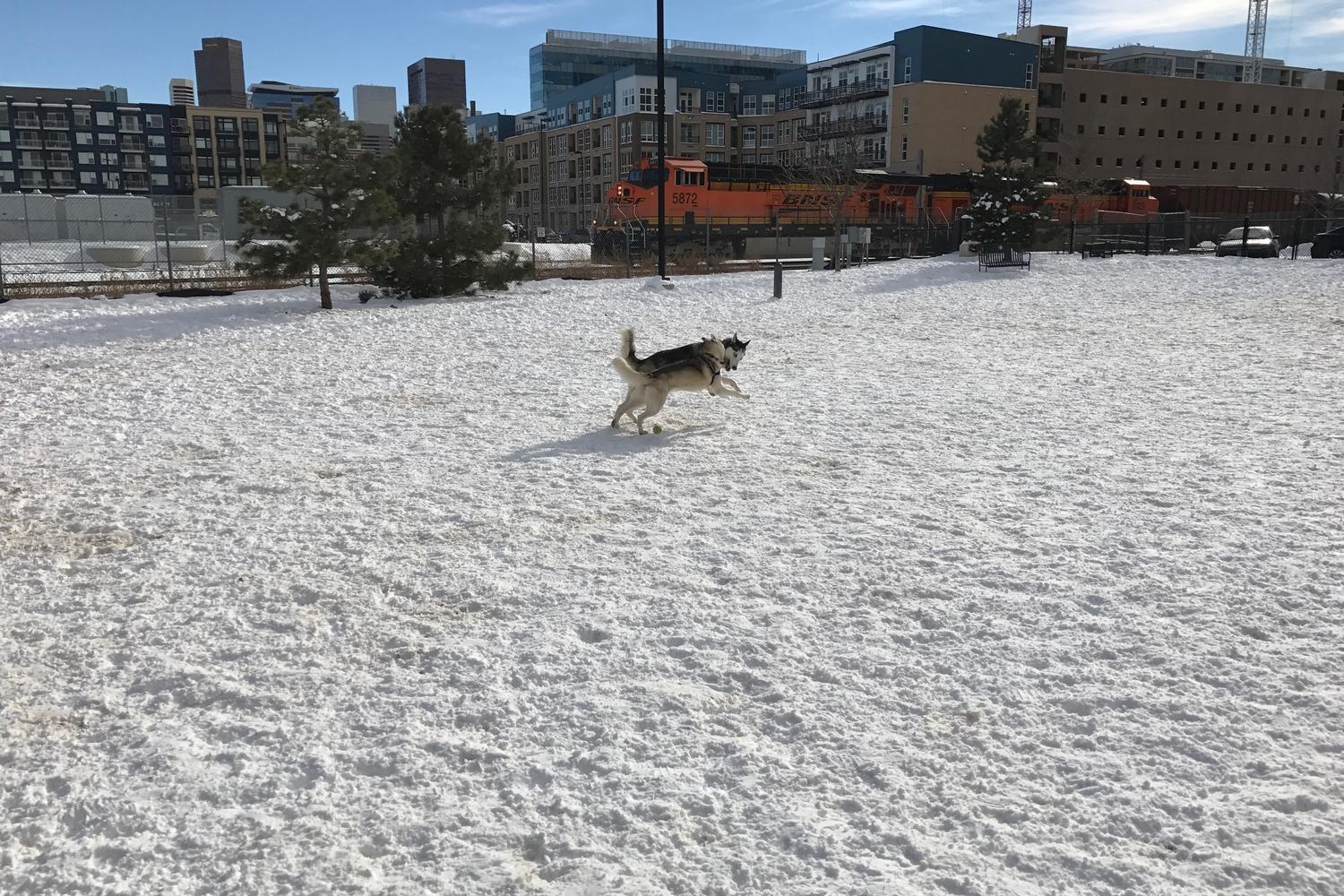
But visiting dog parks in Denver comes with unique considerations that newcomers and even long-time residents sometimes overlook. At 5,280 feet elevation, the thinner air means dogs tire faster and dehydrate more quickly than they would at sea level. The intense high-altitude sun can burn paw pads on hot pavement and cause overheating even when air temperatures seem moderate. Winters bring their own challenges, including icy conditions that can cause injuries and chemical de-icers that irritate sensitive paws. Understanding these factors is essential for choosing the right park and planning safe, enjoyable visits throughout the year.
How We Ranked These Parks
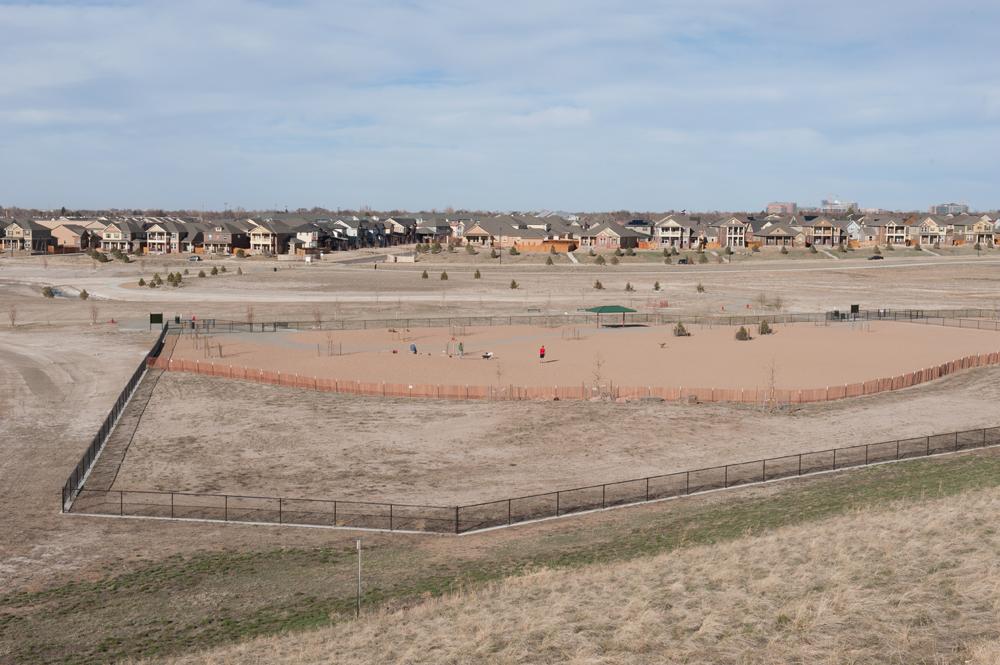
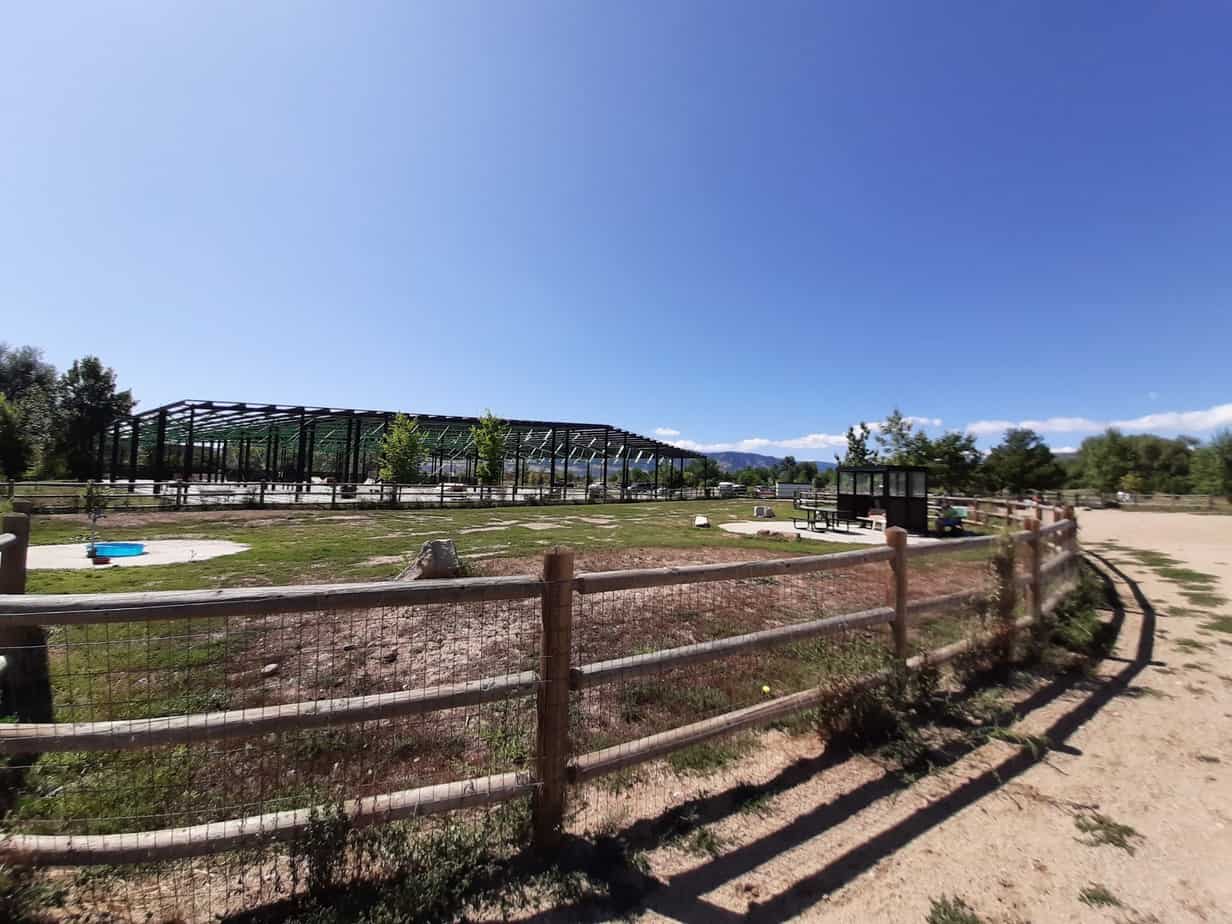
We evaluated dozens of dog parks across the Denver metro area to compile this list of the top ten. Our ranking considers multiple factors that matter most to dog owners seeking safe, enjoyable experiences. Safety came first: we looked at fencing quality, double-gate entry systems, separation of small and large dogs, and the overall condition of surfaces and equipment. Parks with complete perimeter fencing and well-maintained gates scored higher than those with open boundaries that require voice-trained dogs.
Size and terrain variety played significant roles in our evaluation. Dogs need space to run, explore, and establish comfortable distances from other animals. Parks offering diverse landscapes, including hills, trails, water access, and both shaded and open areas, provide richer experiences that keep dogs mentally and physically engaged. We also considered practical amenities like water fountains, waste stations, benches for owners, and adequate parking. Finally, we factored in crowding patterns, cleanliness, and the general atmosphere reported by regular visitors. A beautiful park that's overcrowded or poorly maintained won't serve your dog well, no matter how impressive it looks on paper.
What Makes a Good Dog Park in Denver
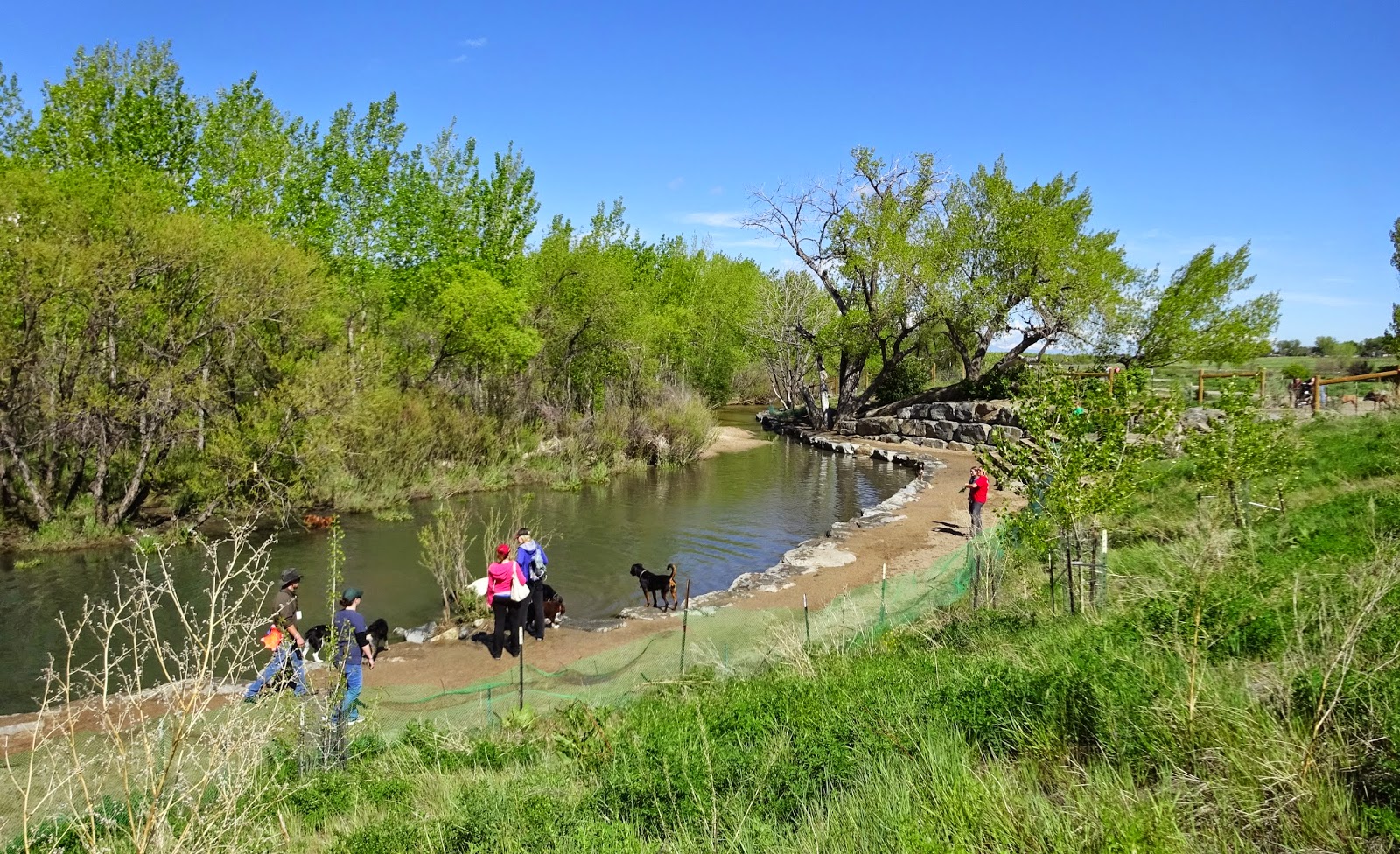
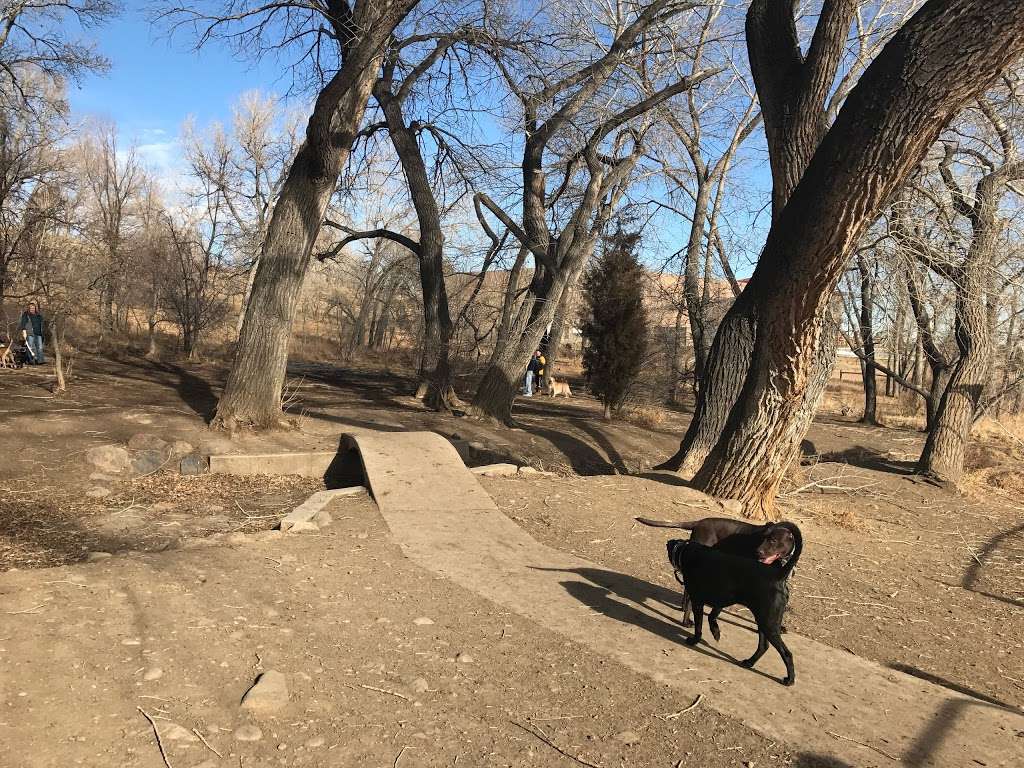
Denver's climate and geography create specific requirements for an ideal dog park. Shade is crucial during summer months when ground temperatures can exceed 130 degrees Fahrenheit even when air temperatures are in the mid-80s. Parks with mature trees, shade structures, or strategic positioning that provides afternoon relief from direct sun protect dogs from overheating and paw burns. Water access, whether natural creeks or man-made splash features, allows dogs to cool down and adds an extra dimension of fun for water-loving breeds.
Space matters enormously in Denver, where many dog owners are working on recall training or have dogs that need room to decompress away from crowds. The best parks offer enough acreage that owners can find quieter corners during busy times or let their dogs run without constantly encountering other animals. Good drainage prevents the mud pits that plague some parks after rain or snowmelt, and well-designed surfaces, whether natural grass, decomposed granite, or sand, stay comfortable across seasons. Parks that check all these boxes provide the kind of environment where dogs can truly thrive.
Rules and Etiquette for Denver Dog Parks
Successful dog park visits depend on owners following basic etiquette that keeps everyone safe. Supervision is non-negotiable: your attention should be on your dog at all times, not on your phone. Dogs can get into conflicts within seconds, and distracted owners are the leading cause of preventable incidents at off-leash areas. Know your dog's body language and be prepared to intervene if play escalates or another dog shows signs of stress. Calling your dog away before problems develop is far easier than breaking up a confrontation.
Reliable recall is essential, especially at Denver's larger or partially fenced parks. If your dog doesn't respond consistently when called, they're not ready for off-leash areas where wildlife, other dogs, or open boundaries present real risks. Keep an eye on the crowd dynamics as you enter and during your visit. If the park feels too chaotic, if there's a dog displaying concerning behavior, or if your own dog seems overwhelmed, it's perfectly acceptable to leave and return another time. Always clean up after your dog, and never bring a sick animal to a public park where illnesses spread quickly through shared water sources and direct contact.
Practical Tips for Planning Your Visit
Timing your visit can make or break the experience. Early mornings, typically before 9 AM, offer cooler temperatures, smaller crowds, and calmer energy at most parks. Weekend afternoons tend to be the busiest and most chaotic times, which works well for highly social dogs but can overwhelm more sensitive animals. Weekday evenings around 5 PM see a predictable rush as people stop by after work, so plan accordingly based on your dog's preferences.
Always bring more water than you think you'll need. Denver's dry air and altitude increase dehydration risk significantly, and shared park water sources can transmit diseases. A collapsible bowl and a full water bottle should be standard equipment for any park visit. In summer, test pavement and surfaces with your hand before letting your dog walk on them. If you can't hold your palm there for seven seconds, it's too hot for paw pads. In winter, wipe your dog's feet after visits to remove salt and chemical de-icers, and consider paw wax for extended cold-weather outings. Most importantly, leave while things are still going well. Ending on a positive note ensures your dog will look forward to future visits rather than associating the park with exhaustion or negative encounters.